Services · Published · Edition:
What to Know Before Booking LTL Freight
Less-than-truckload, or LTL, shares trailer space with other shippers’ freight. It can make sense for a palletized shipment that does not need dedicated equipment. A better quote starts with the freight as it will actually be tendered.
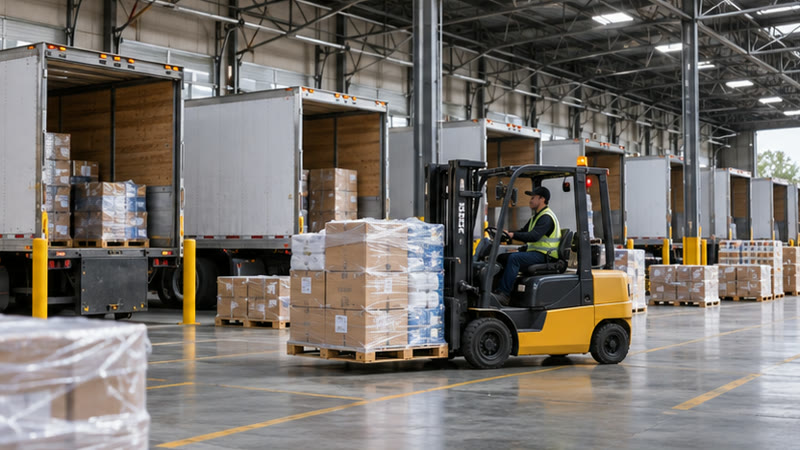
Measure the pallet as it ships
Weigh each loaded pallet and measure its greatest length, width and height, including the pallet and any overhang. Share the commodity description and your freight class or NMFC information if you have it. Ask your broker to confirm any classification you are unsure about before booking.
If the pallets are different sizes, list them individually. The dimensions of the smallest pallet can understate the shipment when the other two have cartons that extend beyond the base.
Tell your broker how the freight will be received
Flag delivery requirements up front. A site without a loading dock may need a liftgate. A receiver that requires an appointment or has limited access may add coordination and charges. Confirm the facility type and any special services at both ends.
One delivery detail can change the quote
Say you are shipping three pallets to a retailer opening a new location. The freight is ready at your warehouse, but the store has a street entrance and no dock. The quote request should say who can receive on site and whether the driver needs a liftgate. If the store also expects the pallets to be moved inside, ask about that service separately.
Put those instructions on the booking and confirm them with the receiver. Keep the quote and shipment paperwork together so your team can check what was requested if a delivery question comes up.
Label every handling unit
Pack the shipment for terminal handling and place a legible label on every pallet or crate. Compare the piece count on your paperwork with what is staged for pickup. If the load is oversized, unusually fragile or time-critical, ask whether dedicated or expedited equipment would be a better fit.