Services · Published · Edition:
When Full Truckload Makes Sense
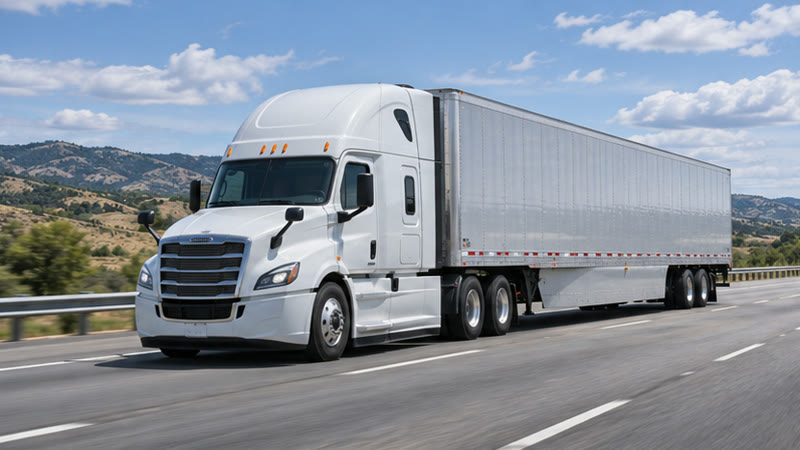
Full truckload, or FTL, reserves a trailer for one shipment. Consider it when you need the trailer space, want to limit handling, or have a schedule that benefits from a truck assigned to your load.
Start with space, weight and handling
Gather the pallet count, individual dimensions and total weight. Note whether the pallets stack and whether freight needs special securement. Two loads with the same pallet count can need different equipment if one has overhang or cannot be stacked.
Share photos if the load has irregular shapes or cannot be handled like standard pallets. A photo of the staged freight can reveal details a spreadsheet does not, such as a crate wider than its skid or equipment that cannot be tilted.
Build the schedule around both docks
Confirm the cargo-ready time, pickup appointment and delivery window in local time. If there are multiple stops, include the addresses in sequence and explain what comes off at each stop. Ask about loading time, unloading requirements and whether the facility can accept the equipment you plan to book.
Try the comparison on a real booking decision
Imagine you have eight pallets going to a distribution center with one receiving appointment. The pallets are non-stackable, and the buyer needs the entire order to arrive together. The pallet count alone makes a shared trailer worth considering, but the receiving requirements give you a reason to price a dedicated truck.
Ask both providers how they would handle the appointment, what is included in the price, and what happens if the receiver moves the slot. If the receiver can accept a wider window and the freight is suitable for terminal handling, the comparison may point the other way.
Compare the full movement
If the freight takes only part of a trailer and can move through terminals, ask for an LTL comparison. If it needs a truck dedicated to the shipment, ask for an FTL quote that reflects the equipment, stops and confirmed appointment requirements.